
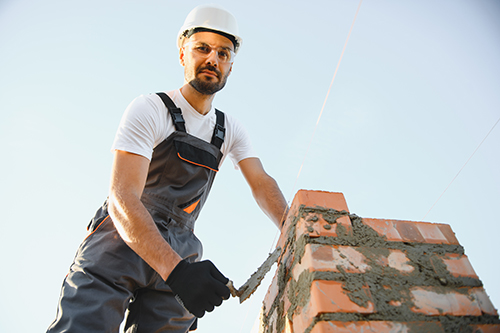
When I arrive at a home for Hazlet chimney service, I am not just looking at the brick above the roofline. I am looking at the whole system. The firebox, damper, smoke chamber, flue liner, crown, cap, flashing, masonry, and appliance connection all work together. If one part breaks down, the rest of the system can suffer. This is why chimney work should never be treated like a neglected seasonal chore. A chimney handles heat, moisture, combustion gases, soot, creosote, and New Jersey weather. In Hazlet, where homes deal with coastal moisture, winter freeze and thaw cycles, summer humidity, and plenty of wind driven rain, chimney systems need experienced eyes on them.
For homeowners looking for dependable local help, Baron’s Chimney Service provides Hazlet chimney service, inspections, cleanings, repairs, relining, rebuilds, and related chimney work.
What We Look For During a Chimney Service Visit
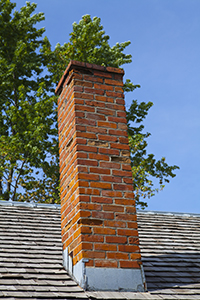 From the ground, a chimney can look fine. That is one of the first things homeowners often tell us: “It looked okay from the yard.” The problem is that many chimney issues start in places you cannot see without the right tools and training.
As technicians, we look for signs of deterioration inside and outside the system. We check for cracked mortar joints, loose brick, damaged crowns, missing caps, rusted dampers, staining, water entry, liner issues, drafting problems, and buildup inside the flue. The Chimney Safety Institute of America notes that certified chimney professionals are trained to evaluate chimney and venting systems with safety in mind, which is why professional service matters.
Hazlet homes can vary widely in age and construction. Some have traditional masonry fireplaces. Others have oil or gas appliance flues. Some chimneys vent multiple systems. That variety matters because a fireplace flue and a furnace flue do not always have the same problems, the same liner requirements, or the same maintenance needs.
Hazlet Chimney Service Is More than Removing Soot
A lot of homeowners think chimney cleaning is just brushing out soot. That is part of it, but it is not the whole picture.
When wood burns, it can leave behind creosote, a combustible residue that builds up inside the flue. The more often you use the fireplace, the more important it becomes to monitor buildup. Wet or poorly seasoned firewood can make the problem worse because it burns less efficiently and creates more smoke. During a chimney cleaning, we are also watching for clues:
- Is the buildup heavy in one area?
- Is the flue drafting properly?
- Is there evidence of moisture?
- Are there pieces of tile or mortar in the firebox?
- Is there a strange odor that points to trapped debris, animals, or moisture inside the system?
Those details help us understand how the chimney is performing, not just how dirty it is.
The Hazlet Weather Factor
In Monmouth County, water is one of the biggest enemies of a chimney. Year round, exposure assaults your chimney on all sides. Rain, snow, salt air, humidity, and freezing temperatures all take a toll. When water gets into small cracks in mortar or masonry, it expands during freezing weather. Over time, that movement can loosen joints, crack crowns, and cause brick faces to flake. Once masonry opens up, more water gets in, and the cycle continues.
That is why we pay close attention to chimney crowns, caps, flashing, and mortar joints. A missing chimney cap may seem minor, but it can allow rain, leaves, animals, and debris into the flue. Damaged flashing can let water enter where the chimney meets the roof. A cracked crown can send water directly into the structure of the chimney. Good chimney service is partly about fixing current problems and partly about stopping small issues before they become expensive repairs.
When a Chimney Needs Repair
Not every chimney problem requires a rebuild. Many issues can be corrected with targeted repairs when they are caught early. Common chimney repairs include repointing deteriorated mortar, repairing or replacing chimney crowns, installing chimney caps, correcting flashing problems, replacing dampers, addressing damaged fireboxes, and relining flues. In more serious cases, sections of the chimney may need to be rebuilt.
From a technician’s perspective, the key is matching the repair to the actual problem. A quick patch does not help if the real issue is water entry. A cleaning does not solve a cracked liner. A new cap will not fix damaged masonry below it.
Flue Liners Matter More than You Realize
The flue liner is one of the most important parts of a chimney system. It helps contain heat and combustion byproducts while guiding gases out of the home. If a liner is cracked, deteriorated, missing, or improperly sized, the chimney may not perform safely or efficiently.
We often inspect liners when homeowners report smoke backing into the house, furnace or boiler venting concerns, odors, moisture issues, or visible debris in the fireplace. In some cases, relining is needed to restore proper function. This is especially important when heating appliances have changed over the years. A chimney built for one type of system may not be properly suited for another without updates.
Why Annual Attention Helps
You cannot see most of your chimney which makes them easy to ignore. Homeowners may only think about the fireplace when the weather turns cold. But by then, a small masonry crack, cap issue, or liner concern may have had months to worsen.
Annual chimney attention gives a technician the chance to spot problems early. It also helps homeowners plan repairs before the busy heating season. The National Fire Protection Association’s chimney standards are widely referenced in the industry, and many safety resources point homeowners toward regular chimney inspection as part of responsible maintenance.
What Homeowners Should Do Between Hazlet Chimney Service Visits
There are a few simple habits that help protect a chimney between professional visits.
- Use seasoned firewood, not green or wet wood.
- Keep the area around the fireplace clear.
- Watch for staining on walls or ceilings near the chimney.
- Look for rust on dampers or fireplace components.
- Pay attention to smoky odors, draft changes, falling debris, or water sounds during storms.
- From outside, keep an eye out for leaning, missing caps, cracked crowns, loose bricks, or white staining on the masonry.
None of these checks replace a professional inspection, but they can help you know when to call sooner.
A Technician’s Take on Hazlet Chimney Service
The best chimney service is careful, practical, and honest. When we look at a chimney, we are thinking about safety, performance, weather exposure, and long term durability. We want the fireplace or heating system to vent correctly. We want masonry to stay solid. We want water kept out. We want homeowners to understand what is happening before small issues turn into major repairs.
For Hazlet homeowners, chimney care is not just about getting ready for winter. It is about protecting one of the hardest working and most exposed systems in the home. Whether the job involves a cleaning, inspection, liner evaluation, masonry repair, cap installation, or more involved chimney work, the goal stays the same: keep the system safe, efficient, and ready when the homeowner needs it.
For professional Hazlet chimney service, schedule with Baron’s Chimney Service and have the system evaluated by a team that focuses on chimney work every day.

